
New Zealand
Get Help With Your Move to New Zealand
Are you ready to expand your horizons to include New Zealand? Dig deeper into more relevant information about relocating to New Zealand and browse qualified Advisors who can provide guidance on the immigration process. See how easy it is to make your Kiwi relocation dreams come true by searching our platform and finding expert information.
Get Started. Get Going. Transcend Borders.
Areas to Consider Living in New Zealand
New Zealand offers an expansive list of fantastic choices when it comes time to decide where to live. As English is the dominant language everywhere in New Zealand, quality of life factors like city life, landmarks, activities, climate, and food and wine culture may play a more vital role in this decision. Determining if you would like to be on the North Island or South Island is a smart place to begin.
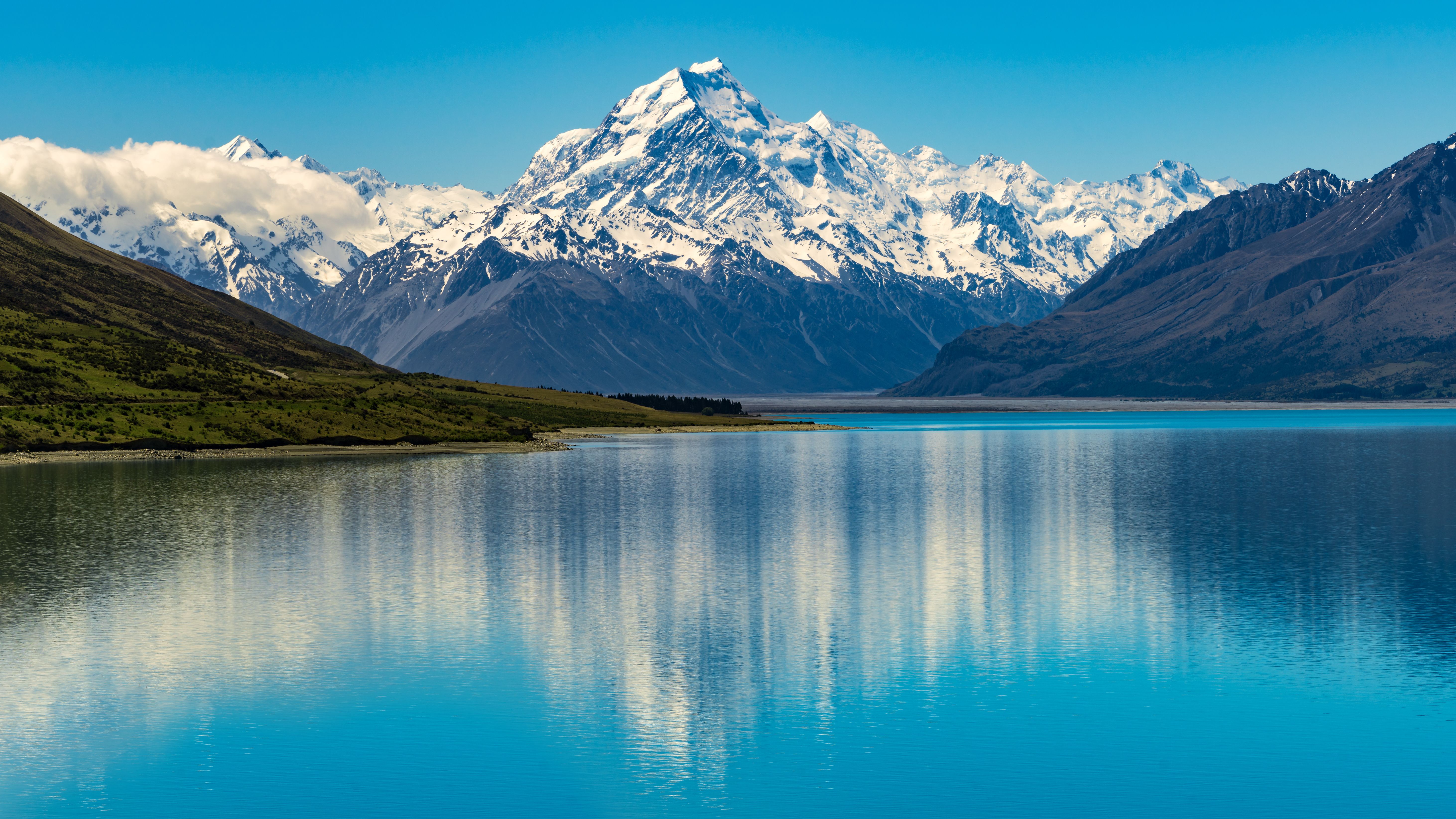
The North Island is famous for its white sand beaches and geothermal hot springs. Desirable cities like Auckland and Rotorua can be found there as well. The South Island houses populous urban areas like Christchurch and Dunedin and is renowned for being the home of Mt. Cook, New Zealand’s largest mountain. Both islands enjoy proximity to Australia, another major draw for many travelers.
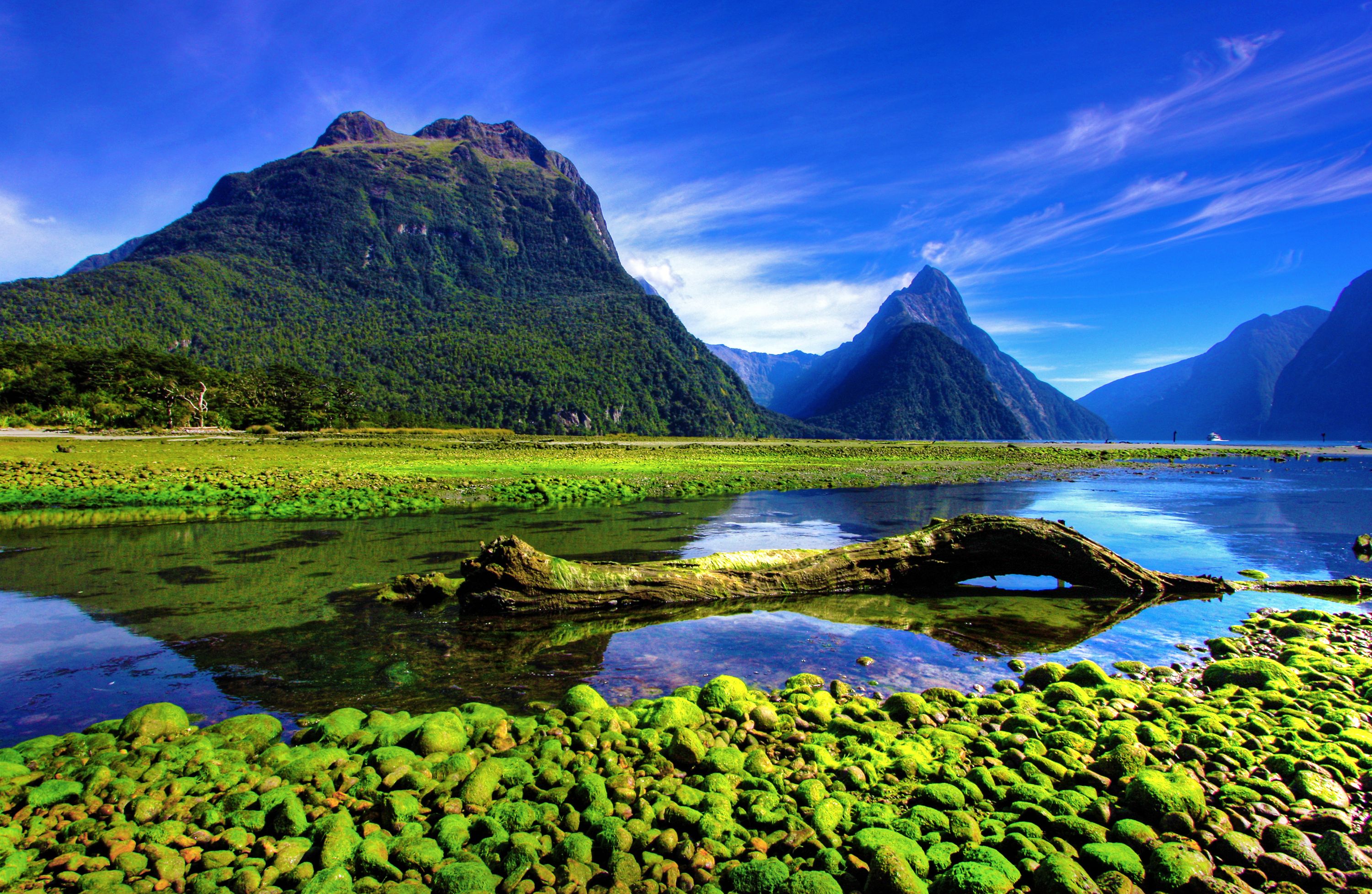
As with most other places, real estate prices in New Zealand vary by province and proximity to urban areas. For instance, the large cultural focal point of Auckland will present a higher cost of living than the less densely populated Greymouth. New Zealand offers a frequency of waterfront properties and accommodations of a more generous size than what’s typically found for the same square footage in other countries with equivalent economies.
Interested expats can use popular sites like New Zealand’s own Trade Me to locate sublet or tradable housing, appliances, furniture, services and other basic essentials for getting settled within the country.
Primary Ways to Immigrate to New Zealand
Immigrating to New Zealand can be accomplished in a number of different ways that will depend on your unique situation. Visa options range from temporary to long-term or permanent. The first step to obtaining your New Zealand visa is to submit an expression of interest (EOI) to Immigration New Zealand. The New Zealand government particularly asks for the creation of an EOI for those who qualify under the skilled migrant category as an early means of identifying interested workers.
The visa application process in New Zealand varies depending on the type of visa that you are seeking. The available visa categories in New Zealand include:
- Visit: This type of visa is good for vacationing in New Zealand for a time but does not come with working privileges. One alternative here is the New Zealand working holiday visa, which is available to travelers between the ages of 18 and 30 who wish to spend up to 12 months in New Zealand and work while exploring the country.
- Work: This standard visa allows you to live and work in New Zealand for a preset period of time and can be a pathway to becoming a permanent resident. This type of visa is temporary and does not come with the full range of access to public benefits that are available under resident visas.
- Study: Students wishing to partake in New Zealand’s world-class education system can apply for this type of visa for the duration of their enrollment at a recognized educational facility.
- Join family: If you already have family in New Zealand or need to bring your family over to join you, there are a wide range of family-oriented options available in the New Zealand visa system. Particular emphasis is given to elderly parents and dependent children.
- Business and investment: Entrepreneurs and investors enjoy special New Zealand visa options all their own. While specific regulations and rules apply in order to qualify, these visas can provide the bearer quick access to the unique business opportunities in New Zealand.
- Residence: The resident visa allows for much greater access to public benefits and state-funded services. It allows the bearer to live and work in New Zealand indefinitely but is not the same as acquiring full New Zealand citizenship.
If you already have family in New Zealand or need to bring your family over to join you, there are a wide range of family-oriented options available in the New Zealand visa system. Particular emphasis is given to elderly parents and dependent children.
The following list explains the requirements for various types of family visas that may be available to you:
- Joining a partner who has a New Zealand resident visa: You must be able to prove that you have been living with your partner within a stable relationship for a minimum of one year, and your partner must support the application. If your partner’s Australian residence status is determining any part of their New Zealand residence status, you must reside in New Zealand no matter where your partner spends the majority of their time. You may include all dependent children aged 24 and younger in this visa process. If granted New Zealand residence through a partner who has it, you may live and work in New Zealand indefinitely.
- Joining a partner who has a New Zealand visitor visa: You can stay in New Zealand for up to 24 months as a visitor or student if you can prove that you have been in a committed, stable relationship with a partner who has a visitor visa. Your partner must support your application, and you must both agree to stay in New Zealand for the same length of time within the allowable 24 months. You can apply for the more expansive partnership resident visa after this visa’s expiration if desired.
- Joining a partner who has a New Zealand work visa: You can join a partner on a work visa in New Zealand for two full years if you have been living together in a stable relationship for 12 months or longer or one year if you have been living together for less than 12 months. Your partner must support your application and agree to live in New Zealand for the entire time that you will be in the country. You can work and study in New Zealand under this visa and have the opportunity to apply for residence afterward.
- Bringing over elderly parents: Parents wishing to join their adult children who have New Zealand resident status have two viable options: the parent retirement resident visa and the parent resident visa. Travelers interested in obtaining the parent retirement visa must have an annual income of $60,000 or more (in New Zealand dollars), $1 million to be used for investment in New Zealand over the course of four years, and an additional $500,000 in savings that can be lived on. Those interested in the parent resident visa must submit an expression of interest and be sponsored by a New Zealand resident who is also the adult child. Attaining either of these parent visas allows the candidate to live, work and study in New Zealand indefinitely and include partners in the visa application. Holders of the parent retirement visa can apply for permanent residence after four years of consistent investment of the aforementioned funds in the New Zealand economy.
Note that there are separate procedures regarding immigration from Australia, the Cook Islands and Niue. The New Zealand government offers its own easy-to-use website, New Zealand Now, for up-to-date information on how to immigrate legally to New Zealand from any place.
Coming to New Zealand as a digital nomad is an attractive option for many. A couple of the perks of the digital nomad lifestyle in New Zealand are its typically fast Wi-Fi speeds and open cafe culture wherein freelance workers can easily set up shop for the day.
If you are self-employed and wish to add New Zealand to your working resume of lived locales, you will need a temporary work visa. If you are between the ages of 18 and 30, you can apply for the working holiday visa and travel around New Zealand for one full year while working as a digital nomad.
Most interested travelers can apply for the working holiday visa so long as they have $4,200 available to live on for the duration of their stay. The working holiday visa application must be filled out online only and visitors who obtain it are barred from accepting full-time employment while still on this visa. Dependent children and partners are likewise not included on the working holiday visa.
As mentioned, coming to New Zealand as an investor is a viable option if you fall into the correct financial category. There are currently seven investor visas available to those wishing to come to New Zealand to invest. Investor applicants will need a valid investor visa and an established New Zealand bank account to immigrate this way.
New Zealand also requires that investors either sign on to invest $3 million (in New Zealand dollars) over the course of four years or $10 million over the course of three years. Being able to simultaneously access the nearby Australian market is an item of interest for many large corporations, with companies as powerful as Amazon having recently signed subsidy deals with the New Zealand government.
The following provides a breakdown of three New Zealand investor visas:
- Investor 1 resident visa: You must have access to NZ $10 million or more that you invest in New Zealand’s economy over the course of three full years. You must likewise spend a minimum of 44 days in the second and third years of your investment living in New Zealand. You may bring along a partner and any dependent children aged 24 or under on this visa. You may also apply for permanent residence after this visa’s expiration.
- Investor 2 resident visa: You must be 65 or younger, an experienced business professional with at least three years of business experience, and have access to a minimum of NZ $3 million to invest in New Zealand over the course of four years. You must submit an expression of interest (EOI) and obtain at least 20 points on New Zealand’s Investor 2 points system. This visa allows the bearer to bring a partner, any dependent children aged 24 or under, and the ability to apply for residence after its expiration.
- Global Impact work visa: You must be selected to participate in the Edmund Hillary Fellowship’s three-year program for innovative entrepreneurs and investors. You must have strong fluency in the English language and NZ $36,000 in maintenance funds for yourself and your family to live on for the first year of your stay. You can bring a partner and any dependent children aged 19 or younger. At the conclusion of the 30 months due the Edmund Hillary Fellowship, you can apply for the Global Impact Permanent Resident Visa.
![[RLOC-004] additional image 4.jpg](https://storage.googleapis.com/relocate-production-store/RLOC_004_additional_image_4_1cbcb9f18d/RLOC_004_additional_image_4_1cbcb9f18d.jpg)
Many expats come to New Zealand because they have received a job offer from a local company. New Zealand employers are welcoming to foreign workers, and many offer travel packages as part of their formal contracts that can help expatriate workers get to New Zealand and get settled in for a new career. Starting a new life in New Zealand for work experience requires a work visa and proof of the essential skills needed to complete the job at hand.
For some, this may entail a college diploma or other high-level certification, and for others, it may simply be a verifiable track record of having worked at this job successfully in other places. Take note that some qualifications in your home country may not translate or be recognized by the New Zealand government or work experience may not be deemed comparable.
The New Zealand Skilled Migrant Visa is open to any worker with strong English skills who already has a job offer on the table and is under the age of 55. Interested parties are encouraged to self-assess their skill set via the Points Indicator offered by the New Zealand government. If a minimum of 160 points are earned there, submitting an EOI is the next step and then waiting for an official Invitation to Apply (ITA). If accepted, this visa allows the bearer to bring a partner, any dependent children aged 24 or younger, and the ability to stay indefinitely.
Professionals interested in moving to New Zealand for work also have the option to seek the Entrepreneur Resident Visa. Candidates must have already been working a self-employed business within New Zealand for a minimum of six months or have operated a business for at least two years using a different type of visa that permits self-employment in New Zealand. Parties applying for this visa under the two-year self-employment mark must have invested a minimum of NZ $500,000, created at least three new jobs in New Zealand, and already have an Entrepreneur Work Visa.
The Organization for Economic Cooperation and Development (OECD) has indicated that New Zealand’s economy will be on the upswing in 2021 and is already boasting above-average employment rates. New Zealand’s projected growth for 2021 sits near the top of the OECD’s measure and even outperforms predictions allotted to larger countries, such as the United States and Britain.
Moving to New Zealand
When you think of New Zealand, you may imagine the “Lord of the Rings.” From looking at the lush, fairytale scenery — you can easily believe that hobbits are about to jump out from one of its famous fjords any time. There are many exceptional attributes belonging to New Zealand that make it a prime relocation choice for interested travelers.
New Zealanders, known locally by the friendly nickname “Kiwis,” are a relaxed, fun-loving society with a healthy relationship to the outdoors. The native Maori culture is still honored and integrated into everyday aspects of New Zealand life, art and practice. New Zealand also enjoys a world-class education system and a high quality of life.
This article will offer insights into the many special components of New Zealand life and explain a few of the common ways that non-residents can immigrate to New Zealand.
Why You Should Think About Moving to New Zealand
There are a wide variety of reasons a person might want to consider New Zealand as their future home. Personal connections to the people, culture or the beautiful natural environment of New Zealand might be the impetus for some. The multitude of professional opportunities available to all types of workers could be the main reason for others. The following sections will identify and explain some of the more popular reasons that adventurous expats might want to live in New Zealand.
New Zealand features a powerfully balanced mix of serious work ethic with attention to the need for enjoyment. Ranked sixth in the world for work-life balance by HSBC’s Expat Explorer survey in 2017, New Zealand’s culture embraces a natural respect for the fact that life is meant to be actively lived.
Striking a balance between career advancement and a happy personal life is of paramount importance to Kiwis. Newcomers will find that New Zealanders are eager to fill each day with a healthy workload matched by recreation in the outdoors, sports and laughs with family and friends.
New Zealand is known across the world as the birthplace of extreme sports and Queenstown, in particular, enjoys the nickname of “Adventure Capital of the World.” Big-thrill pastimes like zorbing and bungee jumping were invented in New Zealand, so expect to find fun and vigorous recreational activities here that you won’t get anywhere else.
If you are looking to reside in a nation that places the highest value on open-mindedness, look no further than New Zealand. Laying claim to progressive global firsts such as state-sponsored old-age pensions, the vote for women, indigenous parliaments, the eight-hour workday and the world’s most far-reaching welfare system, New Zealand takes the care and well-being of its citizens extremely seriously.
Prime Minister Jacinda Ardern was recognized across the world for her early and aggressive response to the COVID-19 pandemic and for being the first Prime Minister in history to take maternity leave. You can expect to find a wide array of public assistance programs, such as state-subsidized health care, upon moving to New Zealand. This Pacific country has also recently made a public aim of reaching operation on 100% renewable energy by 2035.
With its growing population and national emphasis on raising incomes, New Zealand presents a world of working opportunities for all sorts of professionals. Start by checking out New Zealand’s Skill Shortage List to see if your particular field is in high demand. Areas such as education, skilled trades, public health care, business services and engineering are always wanted. Many jobs provide other benefits, such as health insurance and additional training. Obtaining a work visa can be accomplished in several different ways, but if you fall into the skilled migrant category, the process can often be expedited.
New Zealand has one of the lowest crime rates in the world. The 2020 Global Peace Index ranked New Zealand as the second most peaceful country in the world, just after Iceland, and the Kiwis have held this proud honor for more than three years running. New Zealand’s police force — recognized for its overall trustworthiness and freedom of movement within the country — is held in very high regard.
Transparency International, an agency monitoring governmental corruption in countries around the world, also ranks New Zealand as the least corrupt country in the world. Expats looking to build a new life in New Zealand can enjoy peace of mind making a home with their families in a country proven to be among the most secure and safe in the world.
New Zealand is exempt from many of the extreme weather conditions that can make life in other places more challenging. The Kiwi country enjoys a subtropical, temperate climate featuring dry summers from December through February and rainy, mild winters between the months of June and August.
Like other countries, the geographical region that you choose in New Zealand will dictate a lot of the type of weather that you get. For example, the capital city of Wellington tends to see far less snow and ice than a mountainous city like Queenstown.
As geographical regions go, New Zealand has it all. Famous for its many beaches as it is for its snowy ski resorts, this is a country where nearly any desired natural environment exists close by. Since 2019, New Zealand has held The Telegraph’s Travel Award for Best Country for seven years in a row.
Featured advisors
Connect with leading experts in New Zealand
Find the perfect Advisor based on your relocation needs.
relocation topics
Dig-Deeper into the Details
FAQs
Frequently Asked Questions
Here our advisors have answered some commonly asked questions about New Zealand immigration matters to further provide you insight.