
Brazil
Property Tax in Brazil
Fees and taxes for property sales are around 7% of the purchase price. Broker fees of around 6% are paid by the seller. When you have your CPF, you will be required to pay income tax on rental income, on a sliding scale of 15% to 27.5%.
If you sell the property, you will be assessed capital gains tax, again on a sliding scale of 15% to 27.5% and calculated on the difference between the final sale price and the registered purchase price, less maintenance fees and travel costs. The registered purchase price is recorded by local authorities and may not reflect the actual purchase price. However, if you are plan to purchase another Brazilian property within six months, you will generally be exempt from capital gains tax.
Some properties are assessed an additional tax called the laudêmio, typical for waterfront properties for historic reasons. The payment is managed by the Registry of the Federal Heritage, or the Secretaria do Patrimônio da União. A significant portion of the contribution is set aside for the Catholic Church. If the property is subject to laudêmio, rates range from 2% to 5% of the declared value of the property sale.
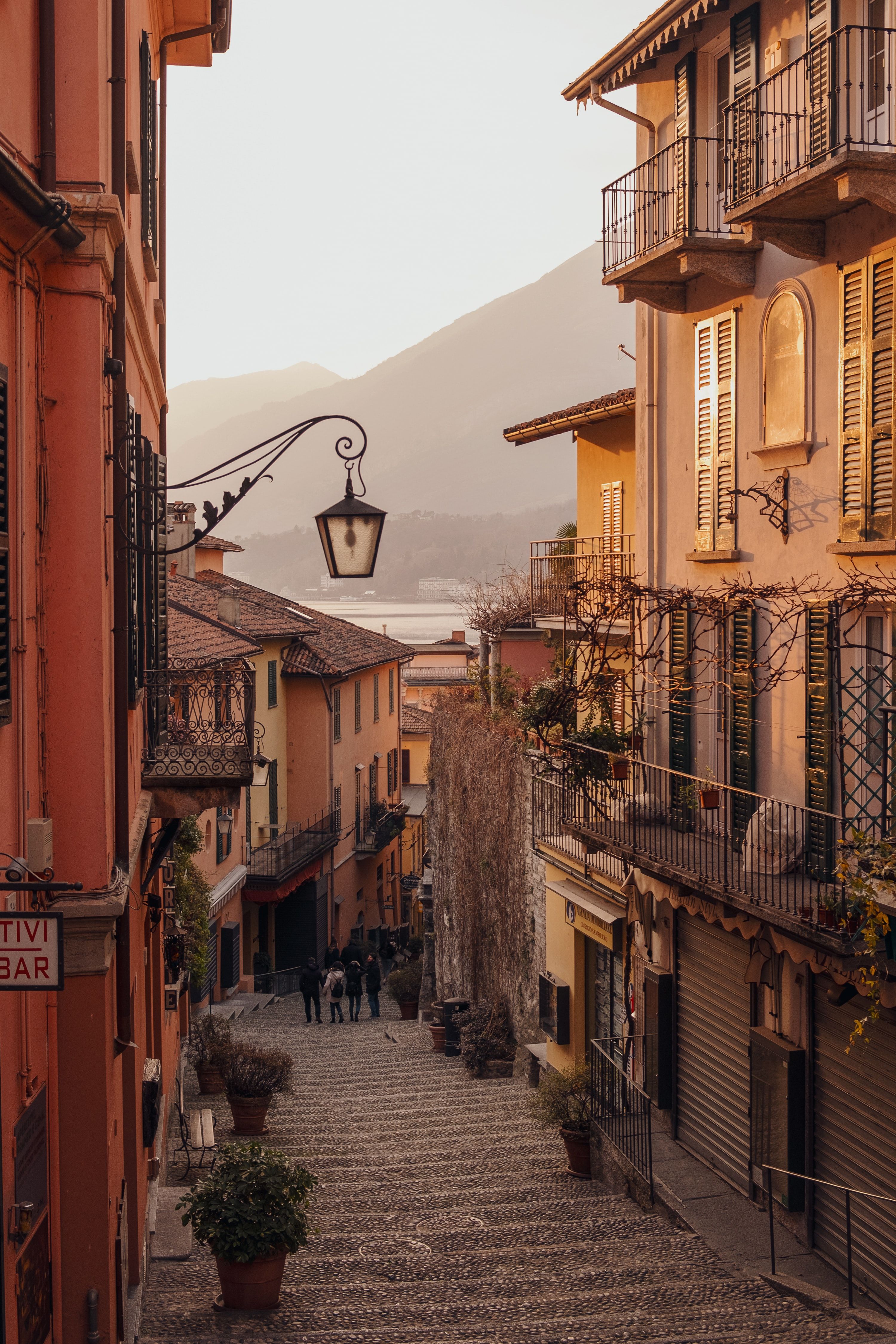
Relocate is Here to Make Your Move to Brazil Easier
As on the largest Countries in Latin America, Brazil is also one of the most geographically diverse and culturally layered. From the bustling streets of Sāo Paolo, to the indigenous tribes of the Amazon, you will encounter similar, and somewhat paradoxical, transformations amongst neighborhoods in Brazil. Having a local expert to support you in navigating the Brazilian housing market, from the search to purchase and relocation might be wise.
Dig-deeper into core topics relating to living in Brazil, search qualified, bilingual advisors and get answers to your specific inquiries....all in one place.
Buying Property in Brazil
Brazil offers something sure to fancy any style. Visit during the famous Carnival festival if you're a culture buff. True adventurers will love zip-lining over the rainforest canopy or the jaw-dropping climb of Corcovado mountain ending at Christ the Redeemer. While yogis and sun-bathers are sure to tap into their inner tranquility on a sandy stretch like Ipanema. Spend your evenings in a local boteco over good food, conversation and a football match. This only names a few of the endless attractions. Brazil is on the rise in many ways, particularly as a top tourism and relocation destination, can you see why?
Brazil is an inviting place for foreigners to set roots through the purchase of property, whether full time or for a vacation home, options are plentiful in this friendly paradise. Take a visit or two if you can to embrace the vibes and confirm whether or not you envision yourself living in this former Portuguese colony. If yes, in which area? Here we have gathered some information to guide your journey towards permanency in Terra do Brasil.
The Brazilian Property Buying Process
Buying real estate in urban Brazil is a relatively secure investment. Brazil has a safe and organized property registration system and a well-developed real estate market.
Many investors choose Brazil for potential capital growth rather than rental yield. Brazil welcomes some 1 million tourists per year, a thriving industry since the Ministry of Tourism was created in 2005 to promote the country.
Are you looking to build new, or buy an existing property? This decision in Brazil really comes down to location. If you want a home in the city, a resale property makes more sense because the good plots were all snapped up ages ago. Serviced apartments have become popular in urban areas since buyers and their tenants can enjoy hotel services within the privacy of their own home. If you buy in city, confirm the property location is in a safe area. New homes are more common on the coast where two-thirds of Brazilians live. Up-to-date housing developments balance out the existing hotels and local amenities, making them an attractive option for short-term rentals. Willing to look further inland? You may find building your own home a good option, as both land and labor come with reasonable price tags.
Compared to prices in other markets, the affordability of Brazilian real estate may come as a surprise. Your budget will take your farther than it would in Europe or North America. All markets, even desirable housing markets with top addresses in Sao Paolo, Rio de Janeiro are open to foreign purchase and investment.
Who Can Buy Property in Brazil
Foreign individuals and nonresidents may invest in both urban and rural properties in Brazil, either through direct ownership from abroad, or through resident companies or partnerships. A tax registration number from the Cadastro de Pessoa Fisica (CPF) is required to purchase.
Key restrictions apply to purchases of rural property. Foreign nationals may purchase rural properties directly from abroad only if they emigrate to Brazil within three years from the date of purchase. Rural properties purchased by foreign companies must be used for the implementation of agricultural, industrial, or housing projects. These activities must be integral to the purpose and mission of the company.
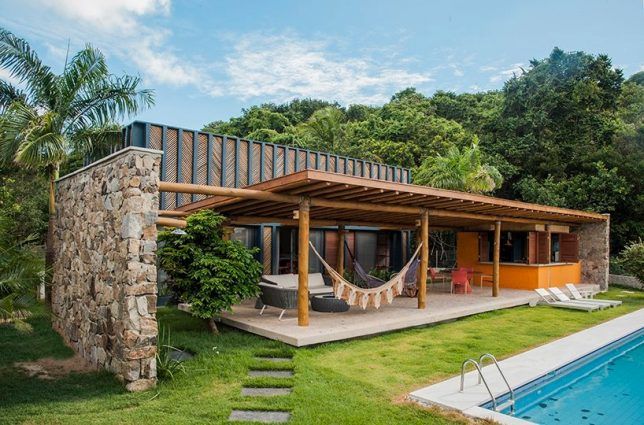
Brazilian Architecture is becoming more ubiquitous throughout the Country
A sale may be entered into directly between seller and buyer, but intermediation can only be provided by accredited real estate agents or agencies. Their commission is determined by in each region the Real Estate Agent Councils (Conselho Regional de Corretores de Imóveis, or CRECI). The commission percentage can be from 6-8% in urban areas, and around 8-10% in rural areas.
You don’t necessarily need a broker, but you should be informed about what you want and your budget. Many foreign nationals retain legal counsel to assist them with real estate purchases.
You will find it useful to retain a competent, independent lawyer, particularly if you are purchasing a resale home – verifying a clean title can be a complicated process. After completing all relevant searches, you must open a local bank account to comply with the requirement that the purchase funds must be visibly traceable from the bank of the buyer to the bank of the seller. All monetary transactions must be registered as a foreign investment with the Bank of Brazil.
If the home you purchase was built after 1973 you’ll receive a legal document called a matrícula, similar to a title deed. The matrícula will include a detailed property description, noting all previous owners, boundary details, outstanding debts, and all legal, financial, and judicial transactions relating to the property.
rior to purchasing a property, you must obtain a CPF (equivalent to a U.S. social security number) and be in good standing. You also need a representative on the ground who is also in good standing with the Receita Federal, or Brazilian IRS, and the "letter of sale" must be signed prior to starting the process.
You must pay a deposit of approximately 10% after your offer is accepted, but this amount can range from 5% to 20%. The balance is paid upon signature. A notary manages the process. To complete a property sale, both the buyer and the seller must sign a public deed drafted by a private notary, who must officially register the sale. Real estate registration in Brazil is secure. Every parcel of real estate can only be registered at a single registry, which maintains the entire commercial history and the physical identification of each property. Access to all information about a piece of real estate, including its former and past owners, mortgages, and other burdens, is public. In larger cities, access to this public information is automated.
Even though all contracts are executed in Portuguese and English, you may wish to contract a translator if your attorney isn’t fluent in both languages.
It is not possible to obtain a Brazilian mortgage, so come negotiating with equity in hand.
Featured Advisors
Engage Expert Advisors in Brazil
Find the perfect Advisor based on your relocation needs.