Australia
Moving to Australia
Australia captivates the hearts and minds of many travelers for a huge variety of reasons. Whether you are interested in the Land Down Under for its famously wild outback or are considering the big move to Sydney because of its incredible food and wine culture, Australia truly does offer something for everybody.
The Aussie people are known for their outgoing, quick-to-laugh attitudes, and a world-class health care system. Australia enjoys the top ranking on the global work-life balance scale, as measured annually by the Organization for Economic Cooperation and Development (OECD). With excellent public health care and education systems in place, Oz is hard to beat.
Are you thinking that you might want to partake in some of that excellent work-life balance? This article will provide non-residents with tips for legally immigrating to Australia and also provide further details on many of Australia’s incomparable attractions.
Why Pick Australia?
If you are thinking about relocating, Australia has much to offer. The reasons that an expat might have for considering Australia range from the personal to the professional, but the quality of life experienced in the Land Down Under is agreed upon by all.
Beyond having excellent health care, Australian citizens also enjoy a fantastically diverse climate, gorgeous beaches, an outdoor-oriented culture and some of the most unique wildlife on the planet. In fact, more than 80% of Australia’s plants and wildlife aren’t found anywhere else on Earth. As the English language is spoken everywhere in Australia, mobility between its far-flung regions doesn’t come with a language barrier. The following sections will detail some of the most popular reasons for making Oz your new home.
Whether it’s snorkeling the surreal colors of the Great Barrier Reef or spending a picnic day with kangaroos hopping in the background, the Australian landscape presents many opportunities that you simply can’t obtain anywhere else.
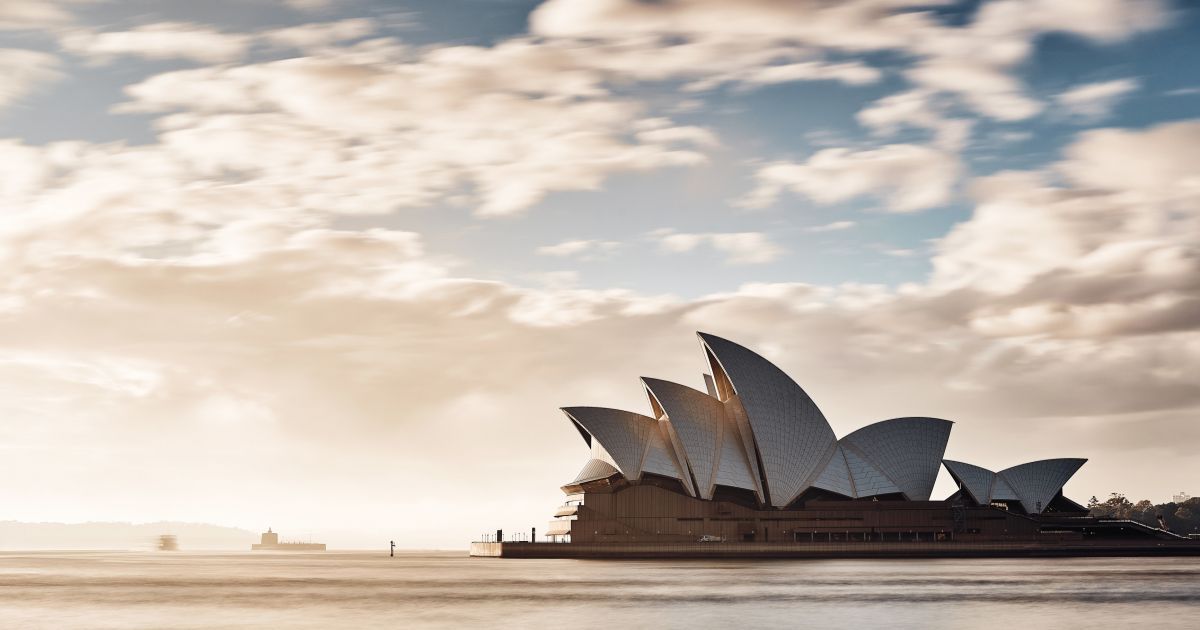
Featuring endless miles of bushland, mountain ranges, forests and some of the most famous surfing beaches in the world, Australia gives expats the chance to live any outdoorsy lifestyle they like. Famous landmarks like Uluru/Ayers Rock and the Sydney Opera House show Australia’s diversity of options, both natural and manmade, for any kind of traveler. Close proximity to New Zealand means that access to Maori culture and extreme sports like bungee jumping are nearby also.
![[RLOC-005] additional image 1.jpg](https://storage.googleapis.com/relocate-production-store/RLOC_005_additional_image_1_5d41610135/RLOC_005_additional_image_1_5d41610135.jpg)
Safety and security may not be the first thing that comes to your mind when you picture the fabled outback of the Northern Territory, but sometimes, being on your own and in your own space is a truly positive bonus. Aussies understand this naturally, and Australia enjoys a level of self-sustaining freedom from the “noise” of the world that few other places can boast.
An island country set far from larger equivalents in the southern hemisphere, Australian citizens find themselves exempt from many of the political and economic tensions that can add unnecessary stress to life in more public parts of the world. It is worth nothing that Australia’s isolated geography also helped it lead the world in a successful and resourceful pandemic response.
Very few countries can offer Australia’s size and dimensions when it comes to options for lifestyle. With major cities like Sydney, Brisbane and Melbourne, newcomers can get all of the sophistication, top-notch arts, foodie expectations, wine culture and music imaginable.
On the other hand, with its vast expanses of development-free land, Australia is also the perfect place to go off-grid if you prefer. As a whole, Aussies are adaptable and creative in the face of challenges and unpredictable situations. You can expect a helping hand from your neighbors in Australia, whether you live the cosmopolitan life in Adelaide or want to try your luck in the wilds of the impossibly remote Alice Springs.
Australia is home to an expansive and inclusive education system that provides a model to many countries in the world. Whether you are a parent looking to place a child with special needs in public education or an international student planning to study in Australia, there is a program in place to support you. Australia’s school systems are accessible and high-achieving at every level. School is compulsory between the ages of 7 and 17 and emphasizes physical and social development as much as academics.
Public education in Australia at the primary and secondary level is free to anyone with a permanent visa. As for tertiary programs, Australia’s University of Sydney, Australian National University and University of Melbourne rank among the top colleges in the world for churning out high-level and engaging qualifications.
![[RLOC-005] additional image 2.jpg](https://storage.googleapis.com/relocate-production-store/RLOC_005_additional_image_2_93ad90a20e/RLOC_005_additional_image_2_93ad90a20e.jpg)
As any inhabitant of Oz will tell you: Australians really, really love their sports! While the combination of a warm climate and a fun-loving people will likely produce a positive sporting culture anywhere, Australia’s sporting history is more deeply rooted in national identity than most.
There exists a longstanding connection between Australia’s “sport mad” approach to life and its ability to feel engaged with the outside world and orchestrate social change within its own borders. Sydney has hosted the Olympics, and the Australian Open marked Australia’s lead to formally reopen public sporting facilities in the wake of COVID-19. From wildly popular spectator sports like cricket and Australian rules football to individual competitions in sports like golf and surfing, you are sure to find a community of like-minded sports enthusiasts wherever you roam in the Land Down Under.
Places to Live in Australia
As mentioned, Australia has big cities galore and giant patches of land with almost no one living on them, too. Since English is spoken everywhere, the major considerations an expat might have in moving over will likely rest on other factors. Proximity to the sea, infrastructure or particular arts scenes may play a role in where a person decides to take up residence in Australia.
The cost of living in certain urban areas tends to be far higher than what can be found in more rural spaces, and housing availability/type is also a facet of importance to many. It’s advisable to do a side-by-side comparison of costs and benefits to determine which place in Australia may best meet your needs. The following list offers short details on the major cities in Australia where expats may choose to live:
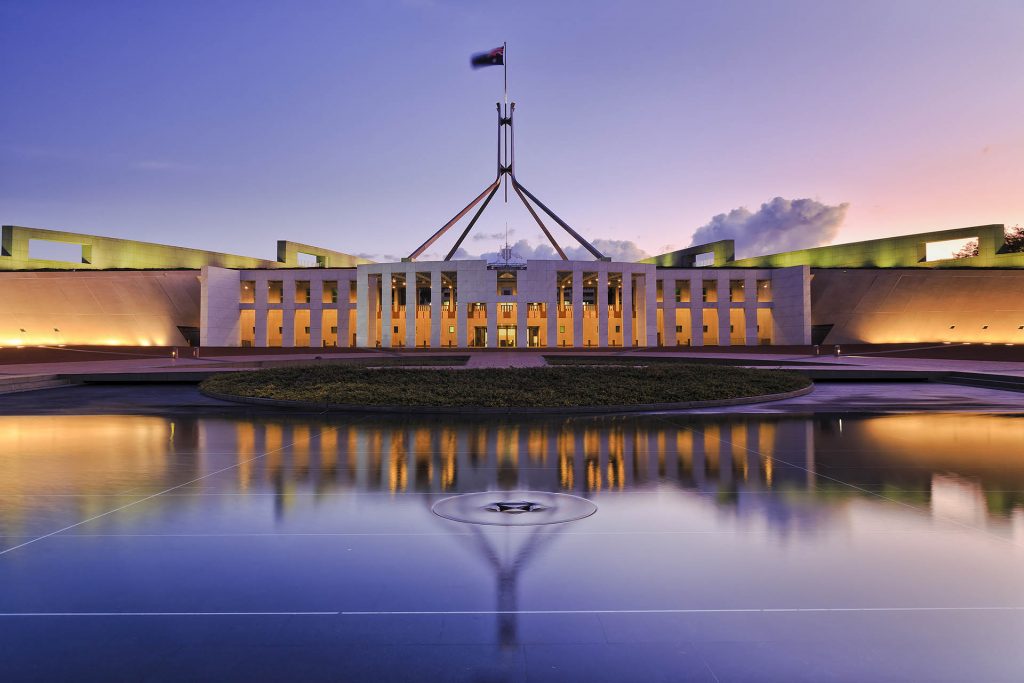
As the capital city, Canberra serves as the governmental hub and cultural center of Australia. It has been ranked one of the world’s most liveable cities and enjoys close connection with the ancestral bushland of the First Nations people. Canberra is currently enjoying a healthy housing market that may make long-term accommodations here easier to obtain than other places.

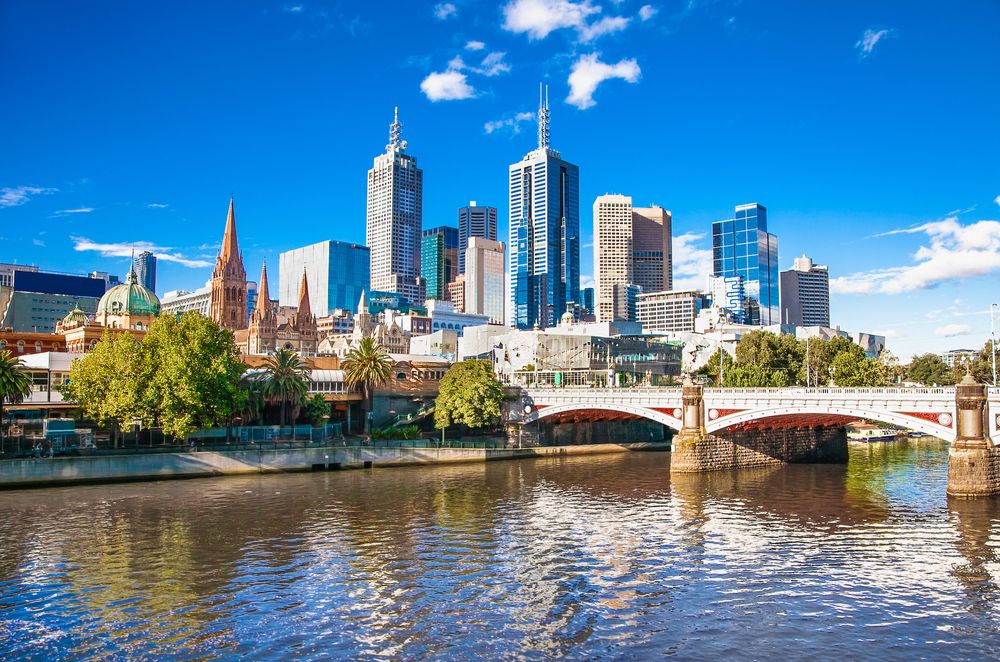
Situated in the heart of eclectic Victoria, Melbourne’s emphasis on the arts and music will appeal to many, as will its somewhat cheaper rent prices.

Considered by many to be the center of Australian national identity and certainly its premier tourism location, Sydney boasts excellent city services and an abundance of resources. The downside is that Sydney is Australia’s most expensive place to live.

The pride of Queensland, Brisbane is also sometimes called “River City” due to its large internal numbers of flowing bodies of water. If you like a beachy, artsy vibe with fabulous public transportation and a mid-range price point, Brisbane is a stellar place to consider.

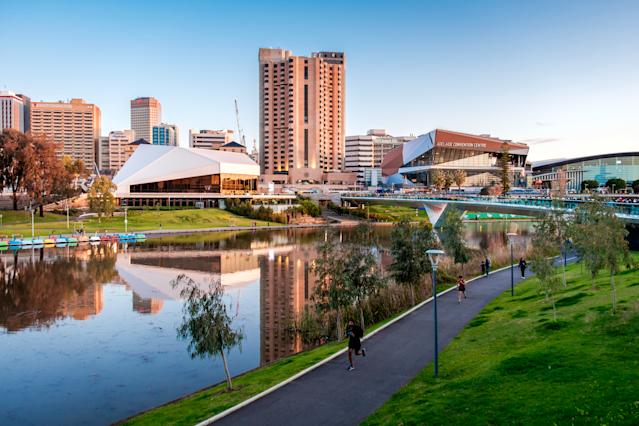
As the capital of South Australia and a leader in preservation and adaptive reuse, Adelaide features incredible park lands and cheaper costs of living than any of the aforementioned cities.

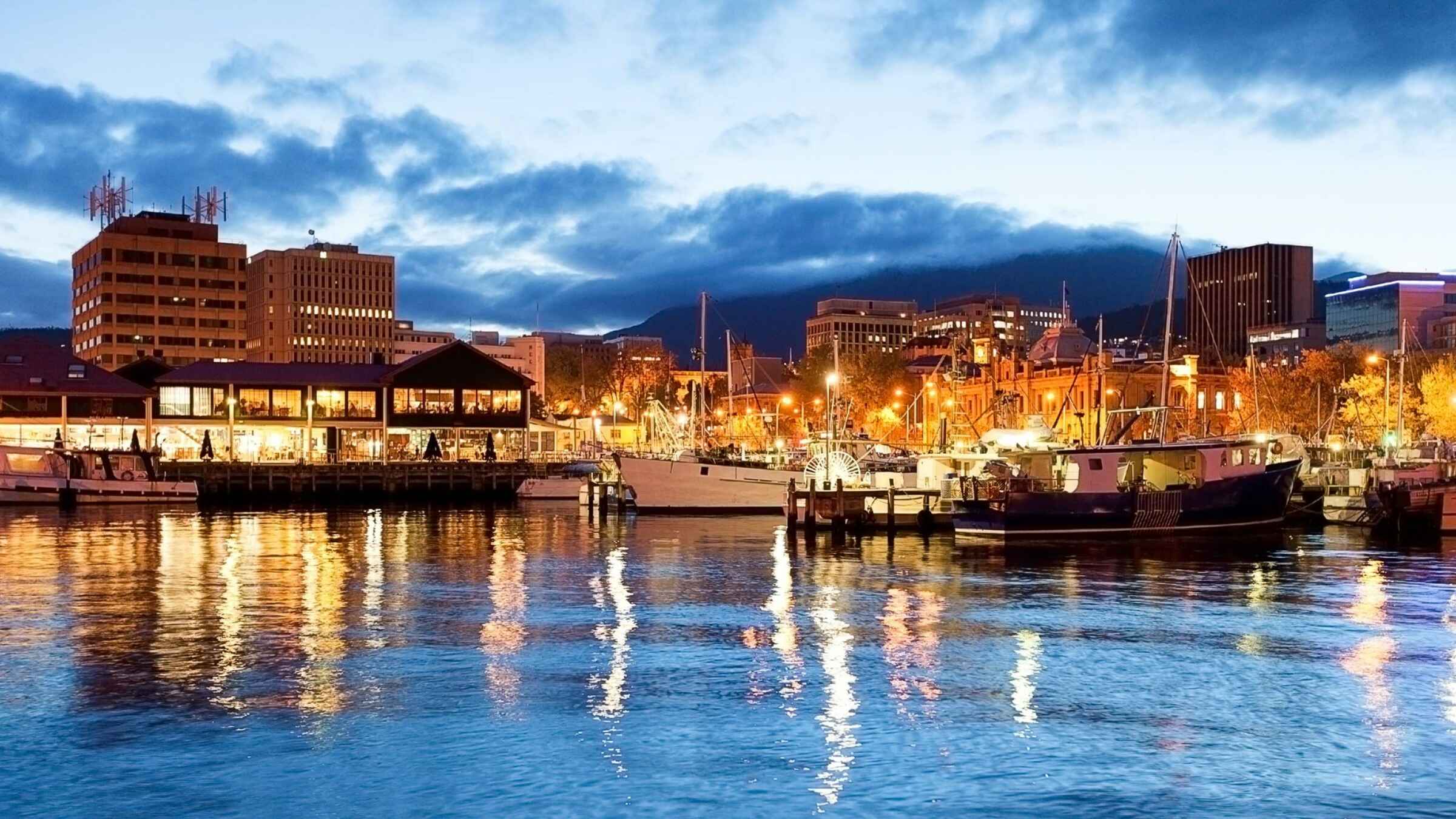
A boater’s dream on Australia’s fabled island state, Tasmania’s capital city features some of the cheapest living available in Australia but is also on the lower end of the wage spectrum compared to the rest of the country.

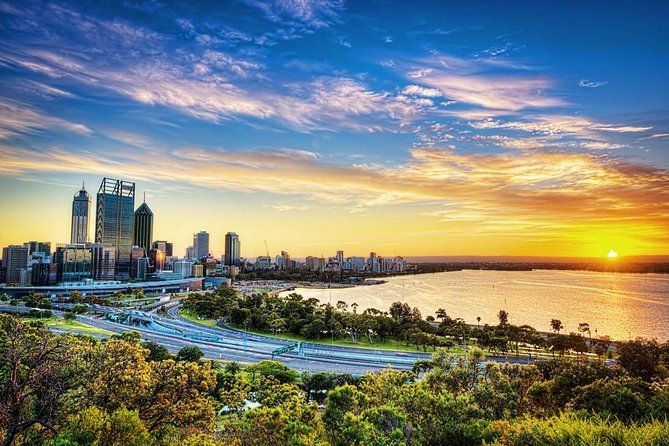
Do you still want the urban vibe of the major cities but also desire that good isolation mentioned earlier? Perth is to Western Australia what Sydney is to the East Coast, except it’s as far from any other cultural center in Australia as it’s possible to be. To give a point of reference as to how remote Perth truly is, its nearest city of over 1 million people is Adelaide, which is 2,104 kilometers away! Due to its isolated status and the amount of effort necessary to get resources out there, Perth also ranks toward the top in Australia’s most expensive cities.

Of course, the above list represents only the most famous and popular spots in Australia. Places that might get a little less press can be equally or even more appealing to many people. Check out hidden gems like Byron Bay, Gold Coast, Geelong, Darwin, Wollongong, Cairns, Newcastle and Rockhampton for all sorts of local benefits and lifestyle inspiration, too.
How to Immigrate to Australia
Getting an Australian visa is all about knowing how you want to come over, who you need to bring with you and how long you want to stay. The best news for expats looking to make a new home in Australia is that there are a host of visa options available.
Take a simple work visa, for example: Australia has 44 kinds of those that you can apply for! Australia also offers specialty visas like the working holiday visa, allowing employed travelers to live and work in Oz for a full year. Send a free inquiry to our Advisors and find out which subclasses may apply to your particular immigration scenario.
Overall, the visa application process varies with different visas. The Australian government handles all visas through the Department of Home Affairs. There is a special subclass for bringing parents and another for partners. Some of these visas offer a path to Australian citizenship and others, such as the working holiday visa, do not.
Depending on the type of visa that you desire and your budget, you may want to work with a migration agent to be able to navigate the visa system more efficiently. The following sections provide details into some of the more common and useful ways for non-citizens to legally migrate to Australia.
Several Partner visas exist for Australian citizens. Two of the most common are the Partner Provisional (Subclass 309) and the Partner Migrant (Subclass 100). The first allows the legitimate partner of an Australian citizen or eligible New Zealand citizen to live in Australia temporarily. The second allows the partner to stay permanently. Applicants apply for both visas at the same time. Both spouses and de facto partners may apply for this type of visa, and it provides a pathway to full Australian citizenship if desired.
If you’re interested in living in Australia for the purpose of study, the Student visa (Subclass 500) allows you to stay for up to five years in accordance with your continuous scholastic enrollment. To qualify for this visa, applicants must:
- Be at least 6 years of age
- Provide proof of welfare arrangement if under the age of 18
- Have Overseas Student Health Coverage (OSHC) or provide proof of exemption
If you are already in Australia on another form of visa when you decide to apply for the Student visa, you must be in possession of an eligible substantive visa. If you hold any of the following visas, you will be automatically ineligible to apply for a Student visa once already in Australia:
- Temporary Work (Subclass 403) in the Domestic Worker stream
- Transit (Subclass 771)
- Visitor (Subclass 600) in the Sponsored Family or Approved Destination Status streams
- Domestic Worker (Subclass 426)
- Diplomatic (Subclass 995) — only the primary holder is ineligible
Another way to come to Australia to learn is through the Training visa, which allows sponsored applicants to complete work training relevant to a chosen course of study. The Training visa allows you to stay in Australia for up to two years.
Australia is so welcoming to digital nomad culture that it offers three separate chances to partake of its working holiday visa if you are between the ages of 18 and 35. The working holiday visa is a great way to enter this new country as a visitor who may wish to stay longer after a bit of exploration. Be advised, though, that second and third working holiday visas generally come with some form of compulsory three-month work contract that the bearer must complete, usually in some type of farm work in rural Australia.
There are other long-stay visas on offer in Australia, such as the 600 Visitor visa, that might be best for digital nomads who fall outside this age or preference bracket. Keep in mind that bearers of most temporary visas will need to secure their own health insurance while in the country, as public health services are not typically extended to those who don’t hold permanent residency.
If you are interested in Australia as a potential location for your business or other major investment, there are several visa pathways available to you depending on your eligibility. Most require an established Australian bank account and a minimum investment requirement over the course of a designated period of time.
For example, the Business Innovation and Investment visa (Subclass 188) calls for the successful applicant to feed a minimum of $1.5 million (in Australian dollars) over the course of four years and three months. Please note that there are several “streams” of visa available under this provisional type ranging from premium entrepreneur to significant investor.
![[RLOC-005] additional image 4.jpg](https://storage.googleapis.com/relocate-production-store/RLOC_005_additional_image_4_53effdbfb4/RLOC_005_additional_image_4_53effdbfb4.jpg)
There are also multiple other subclasses of investor visas available, and most offer the bearer the opportunity to become an Australian citizen if the visa requirements and other qualifications are met. All require the interested party to be nominated by Austrade and a local state or territory government in Australia.
A few other entrepreneurial and investor subclasses include:
- Business Owner (Subclass 890): Interested entrepreneurs must have owned and operated a business in Australia for a minimum of two years and have lived in Australia for a minimum of one year within that requisite two years preceding the application for this visa. Applicants must also already hold an eligible visa.
- Business Innovation and Investment Permanent visa (Subclass 888): Applicants must already hold a Subclass 188, 444, or 457 visa to apply for this category. Applications must be completed online, and applicants must be able to show continuous business involvement in the Australian economy.
- Investor visa (Subclass 891): Investors must be able to substantiate a designated investment of AUD $1.5 million for four years and have lived continuously in Australia for two of those four requisite years. Applicants must already possess a Subclass 162 - Investor (Provisional) visa.
Australia provides a wealth of full-time and part-time work opportunities that can help you get a visa. Migrants who have specialized skills should check Australia’s ever-changing Skilled Occupation List to see if their field of expertise may qualify them for an expedited or special subclass work visa. Seasonal workers can come over on working holiday visas and find longer-lasting employment that may lead them to becoming permanent residents.
Australia encourages innovation and offers a minimum wage that has been among the highest in the world for a number of years. As such, Australia features work visas that are regional, short-stay, long-stay, and temporary in categorization. Interested travelers are encouraged to make a formal Expression of Interest (EOI) to the Department of Home Affairs through its Skillselect program.
Consult With the Best in Your Move to Australia
Are you ready to take on the Land Down Under on your own terms? Dig deeper into some of the core topics about moving to Australia and make an informed decision. Whether you’re going for work or family, you may want to connect with qualified Australian Advisors and get some reliable advice for figuring out the logistics and get on with that kangaroo picnic!
Get Started. Get Going. Transcend Borders.
Featured Advisors
Connect with leading experts in Australia
Find the perfect Advisor based on your relocation needs.
relocation topics for australia
Dig-Deeper into the Details
FAQs
Frequently Asked Questions
Here our advisors have answered some commonly asked questions about Australia immigration matters to further provide you insight.